Farm Accounting 101: Tracking Income and Expenses

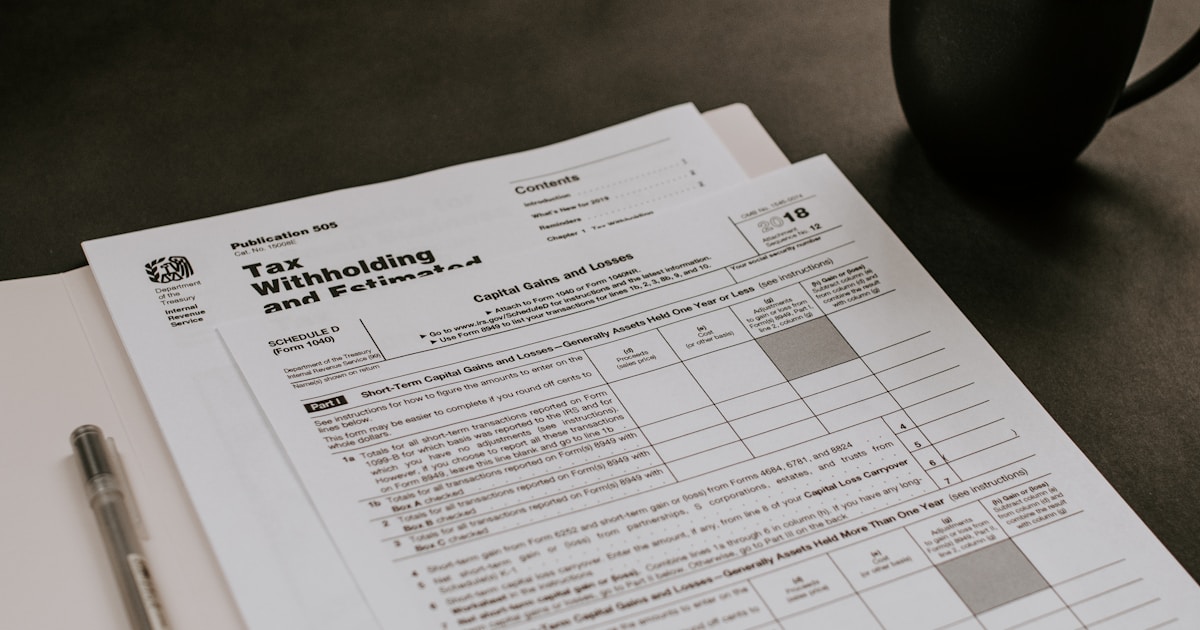
It's February. Tax season is bearing down on you like a bull through an open gate. You're staring at a shoebox full of crumpled receipts, a handful of handwritten notes, and a bank statement that might as well be written in ancient Greek. You know you spent money on feed. You know you sold a few animals. But are you actually profitable? You have no idea.
If this sounds familiar, you're not alone. Most small-farm operators focus on the animals and treat finances as an afterthought. But a farm that doesn't track its money isn't a business. It's an expensive hobby.
Farm accounting doesn't have to be complicated. This guide breaks it down into practical steps any beginner can follow, from understanding why farm finances differ from personal finances to setting up categories, running profit and loss reports, and preparing for tax season without the panic.
Why Farm Accounting Differs from Personal Finance
Mixed Business and Personal Expenses
Most small farmers don't have a completely separate farm operation. Your truck hauls feed to the barn and kids to school. Your electricity bill covers the house and the chicken coop. Sorting business expenses from personal ones is the first and most important challenge in farm accounting.
The IRS requires you to separate farm business expenses from personal living costs. If you're audited and can't demonstrate which expenses were farm-related, you risk losing deductions and facing penalties.
Seasonal and Irregular Cash Flow
Unlike a salaried job, farm income is lumpy. You might sell cattle in October, collect egg money weekly, and receive a breeding fee in March. Expenses are equally irregular. This makes it essential to track cash flow over the full calendar year, not just month to month.
Depreciation and Capital Assets
Farms involve significant capital assets — tractors, fencing, barns, breeding stock. These lose value over time, and the IRS allows you to deduct that depreciation. But you need records of what you purchased, when, and for how much.
Inventory Complexity
Livestock are both assets and inventory. A heifer you raised from birth has a different cost basis than one purchased at auction. Understanding the true cost of each animal — including feed, vet care, and housing — is critical for making rational selling and culling decisions.
Setting Up Your Income Categories
Organize your income into meaningful categories to see where money comes from and simplify tax preparation.
- Animal sales: Revenue from selling livestock — calves, kids, lambs, puppies, poultry, or eggs
- Breeding services: Stud fees, AI services, or breeding leases
- Boarding and training: Fees for housing or training other people's animals
- Show winnings: Prize money from livestock shows and competitions
- Crop and forage sales: Hay, grain, or produce sold off the farm
- Government payments: Conservation program payments, disaster assistance, or subsidies
- Other farm income: Custom hire, rental income from farm equipment or facilities
Five to eight income categories cover most small livestock operations. With Livestock Runner, these categories are pre-built and ready to use, so you can start tracking from day one without building a chart of accounts from scratch.
Setting Up Your Expense Categories
Expenses are where most farmers lose track. A clear category structure prevents the end-of-year scramble.
- Feed and nutrition: Typically 60–70% of total costs. Track by animal group if possible.
- Veterinary care: Vet visits, diagnostics, surgeries, and professional services
- Medications: Vaccines, dewormers, antibiotics, supplements
- Animal purchases: Cost of acquiring new breeding stock or replacement animals
- Supplies and equipment: Fencing, waterers, feeders, halters, clippers, and other tools
- Housing and facilities: Barn repairs, bedding, coop maintenance, shelter construction
- Registration and licensing: Breed registry fees, health certificates, brand inspections
- Show and competition fees: Entry fees, stall rentals, association dues
- Travel and transport: Fuel, trailer maintenance, mileage for farm-related trips
- Insurance: Livestock mortality, liability coverage, farm property insurance
- Utilities: Electricity, water, propane — the farm-business portion
The key is consistency. Once you assign an expense to a category, use that same category every time.
Tracking Every Dollar: Building the Habit
Record Transactions Immediately
The number one rule: don't wait. When you buy feed, record it. When you deposit a livestock sale check, record it. The longer you wait, the more likely you'll forget details or lose receipts. Mobile-friendly tools let you log a transaction on your phone while you're still at the feed store.
Attach Receipts and Documentation
Paper receipts fade, get wet, and get lost. Photograph or scan receipts and attach them to the corresponding transaction. Livestock Runner lets you attach documents directly to each entry, so your receipt lives right next to the expense record.
Separate Business and Personal Accounts
Open a dedicated bank account for your farm. Run all farm income and expenses through it. This single step eliminates the biggest headache in farm accounting — untangling business and personal transactions. It also makes monthly reconciliation straightforward.
Profit and Loss: Are You Actually Making Money?
Once you're consistently tracking income and expenses, generate a profit and loss (P&L) report. This is the single most important financial document for your farm.
Total Income – Total Expenses = Net Profit (or Loss)
A good P&L breaks down income and expenses by category, answering questions like:
- Is my feed cost increasing faster than my income?
- Am I spending more on vet bills this year than last?
- Which income stream is driving my profitability?
Run your P&L monthly to catch trends early, and annually for the big picture. Livestock Runner generates these automatically from your transaction data.
For a deeper look at how record keeping feeds financial decisions, see our beginner's guide to livestock record keeping.
Per-Animal Cost Tracking: The Secret Weapon
Tracking expenses at the individual animal level lets you calculate the true cost of raising each animal, revealing which are profitable and which are money pits.
- What did it cost to raise that calf to sale weight? Add up feed, vet care, medications, and allocated housing costs.
- Which breeding doe produces kids worth more than they cost? Compare offspring sale prices against total expenses.
- Is your show string paying for itself? Sum entry fees, travel, and extra feed against winnings and premiums on show-quality stock.
The mechanics are straightforward: when you record an expense, link it to the specific animal. Livestock Runner's accounting module is built for this — every transaction can be linked to a specific animal, and the cost report shows per-animal profitability at a glance.
Tax Preparation: Schedule F and Beyond
Most livestock farmers report income and expenses on IRS Schedule F (Form 1040). This is where careful categorization pays off.
- Line 2: Sales of livestock and other resale items
- Line 4: Sales of livestock and products you raised
- Line 7: Other farm income (breeding fees, boarding, custom hire)
- Lines 14–29: Farm expenses by type (feed, vet, labor, insurance, etc.)
If your categories align with Schedule F line items, tax preparation becomes a matter of pulling your annual P&L and transferring the numbers. Livestock Runner takes this further with a dedicated Schedule F worksheet that automatically maps your categories to the correct line items.
Tax Tips for Livestock Farmers
- Keep records for at least seven years. The IRS can audit up to three years back, or six if they suspect underreported income.
- Track mileage separately. Farm-related driving is deductible, but you need a log of dates, destinations, and miles.
- Document bartered transactions. If you trade hay for fencing labor, both parties have reportable income.
- Don't forget depreciation. Breeding stock, equipment, and structures can be depreciated over their useful life.
- Consult a farm-savvy CPA. Agricultural tax rules have nuances that general accountants may miss.
Getting Started with Farm Accounting
If you've been running your farm without a real accounting system, here's a simple action plan:
- Open a dedicated farm bank account if you don't have one.
- Choose an accounting tool that understands farm operations. A platform like Livestock Runner provides pre-built categories, per-animal linking, P&L reports, and Schedule F integration. The free plan supports up to 20 animals.
- Enter your income and expense categories. Start with defaults and customize as needed.
- Record every transaction going forward. Don't reconstruct the past — start clean from today.
- Run a P&L report after your first full month.
- Link expenses to individual animals whenever applicable.
Common Farm Accounting Mistakes
- Mixing personal and farm expenses. Use separate accounts. Period.
- Inconsistent categorization. Pick a category and stick with it.
- Ignoring small expenses. That $8 bottle of BluKote and $15 salt lick add up. Track everything.
- Waiting until tax season. Monthly recording takes minutes. Reconstructing a year takes days.
- Not tracking per-animal costs. Aggregate numbers tell you if the farm is profitable. Per-animal numbers tell you which animals to keep.
- Skipping receipt documentation. If you can't prove an expense, you can't deduct it.
The Bottom Line
Farm accounting isn't glamorous. But the farmers who track their money — consistently, accurately, and at the individual animal level — are the ones who survive bad years, grow during good ones, and actually know the answer when someone asks, "Does your farm make money?"
Start simple. Be consistent. Let the data guide your decisions.
Start your free Livestock Runner account today →
For more on managing your farm records, check out our guide to livestock record keeping and our cattle record keeping deep dive.